
Six Natural Remedies for Perimenopause Anxiety (Without Medication)
Are you suddenly feeling anxious in your 40s, even though you've never struggled with anxiety before?
You're not alone. Anxiety is one of the most common symptoms of perimenopause, and it often appears years before hot flashes.
Hormonal fluctuations during the perimenopausal years can affect your nervous system, sleep, and stress response, leaving you feeling overwhelmed, wired, or exhausted.
In this blog post, I'll share six natural remedies for perimenopause anxiety, including bioidentical hormones, herbal remedies, and lifestyle changes to help you feel calm again.
Why Anxiety Increases in Perimenopause
Anxiety is common during the perimenopausal years due to the hormone fluctuations you'll experience.
The first hormone to decline is progesterone, and if you're living a life of pushing through the day, your cortisol is likely high, and progesterone tends to drop faster.
Additionally, spikes in estrogen can cause heart palpitations, sending women to the ER with no answer for their symptoms.
This spike in estrogen, also increases your histamines, creating a vicious loop of estrogen > histamine > estrogen. source
Research supports this. A study published in the journal Menopause found that women in perimenopause experience higher anxiety levels due to fluctuating estrogen and declining progesterone. source
Progesterone also supports GABA, your calming neurotransmitter. When progesterone drops, women often experience:
Anxiety
Racing thoughts
Poor sleep
Heart palpitations
Panic-like symptoms
This is why anxiety is often one of the first signs of perimenopause.
Progesterone Decline and Cortisol Connection
The first step is to look at your cortisol and how you're spending your day.
For example, many women wake up in the morning and have coffee for breakfast. This is one of the worst things we can do for our hormones.
If you were to do a DUTCH hormone test, you would see that your cortisol should rise about 30–45 minutes after you wake up. This is called the cortisol awakening response.
Adding a cup of coffee on top of this cortisol spike leaves us spending the morning anxious and then exhausted by 3 PM.
Waiting to have your coffee, having protein first - then coffee or adding protein powder to your coffee are all ways to help reduce this spike.
Research published in Psychosomatic Medicine found that caffeine increases cortisol levels, especially when consumed early in the morning, which may worsen anxiety symptoms.
An hour and a half after you wake, cortisol naturally starts to lower. This would be a good time to have 30 grams of protein and your cup of coffee, if you choose.
By finding this natural circadian rhythm in your day, you can help lower your cortisol, and this will have a cascade effect on your hormones throughout the whole day.
Consider Hormone Testing
The second step is to consider getting hormone testing.
This can be:
DUTCH hormone urine test
Functional medicine testing
One true sign that your progesterone is dropping is that your sleep has changed. Sometimes you can't fall asleep easily at night, or you wake in the middle of the night and can't go back to sleep.
Progesterone plays a role in sleep and anxiety regulation, which explains why sleep disruption often appears first.
Although it's not 100% natural, bioidentical progesterone can be life-changing when it comes to insomnia, sleep, and anxiety.
===»Read this blog post to learn more about bioidentical progesterone.
Best Herbal Remedies for Perimenopause Anxiety
Now that we have your cortisol set for the day, and maybe you've added progesterone, you can add in herbal remedies to help you stay calm.
1.Lemon Balm for Perimenopause Anxiety
Known as the gladdening herb, lemon balm can help lift your spirits.
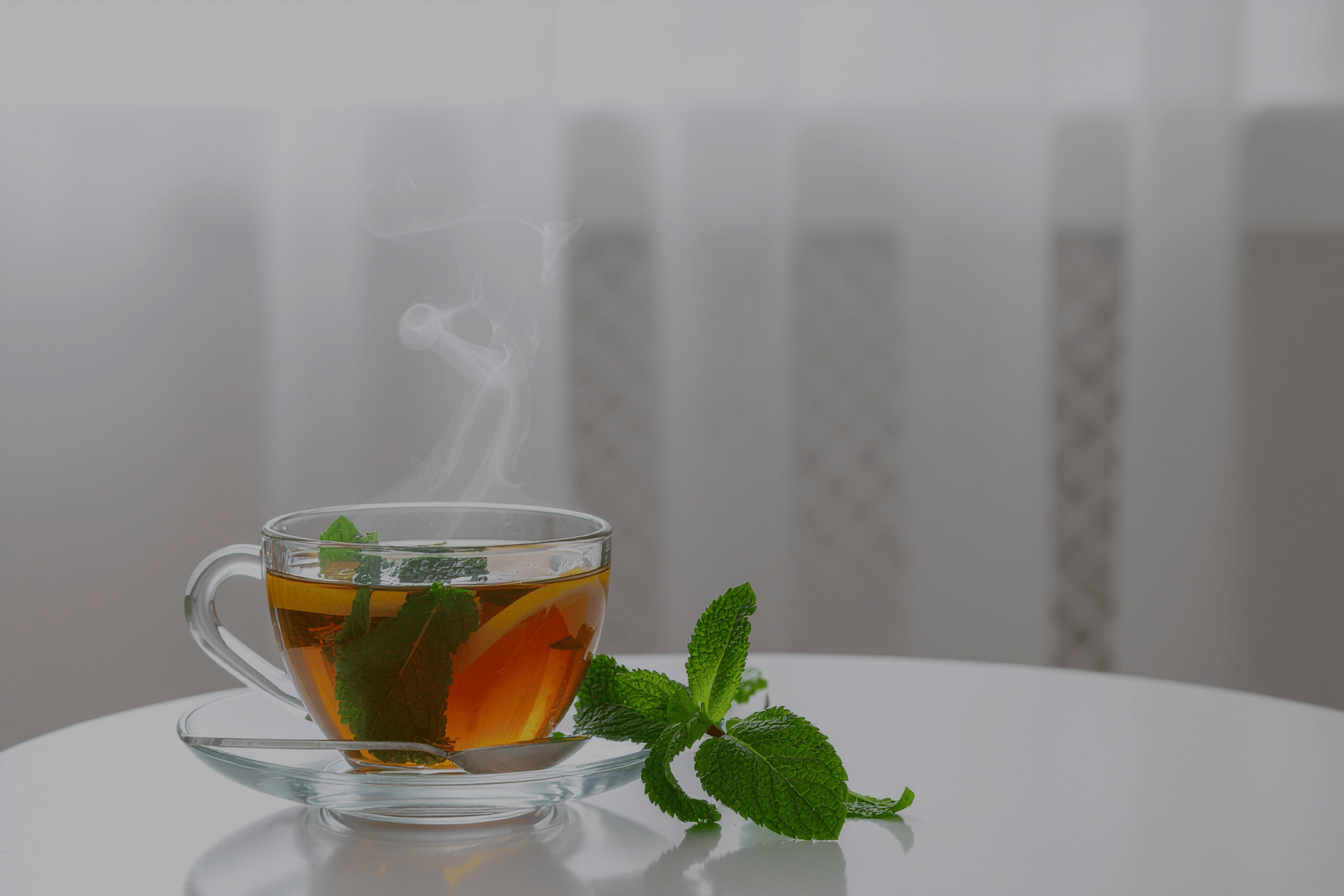
This is a nice mint to sip during the day because it won't make you too tired. Lemon balm calms the nervous system and supports immunity.
Dosing
Tea: 1–3 cups daily
Tincture: 20–40 drops 2–3 times daily
Pro Tip
Sip lemon balm tea in the afternoon when cortisol dips.
2.Ashwagandha for Perimenopause Anxiety
Ashwagandha has become very popular because it has a calming effect on the body.
We've noticed that KSM-66 works best. This is the powder form, which you can take as powder or as a supplement.
Traditionally, ashwagandha was used to help you sleep. Adding the powder to warm milk at night is a traditional remedy.
If you wake in the middle of the night, you can take another dose.
Women with hyperthyroidism may not feel great using this herb, so choose another remedy if needed.
Dosing
300–600 mg daily
Powder in warm milk at night
3.Vitex {Vitex agnus-castus) for Perimenopause Anxiety (When Cycles Shorten)
If you're noticing your cycle has shortened to less than 28 days, you may want to lengthen it.
By encouraging ovulation, you will increase progesterone when you ovulate. {This depends on whether you’re in the earlier or later stages of perimenopause}
Vitex (chaste berry) can help raise progesterone and lengthen your cycle by encouraging ovulation.
Some women are sensitive to progesterone and may notice increased depression, so start slowly.
==Master herbalist, David Winston, says to use Vitex for hot flashes with a sense of “skin crawling,” dizziness, and depression.
4.Motherwort {Leonurus cardiaca} for Heart Palpitations and Anxiety
Motherwort is one of my favorite botanicals for heart palpitations and panic-like anxiety.
This tried-and-true herbal remedy can calm the nervous system and support the heart.
Dosing:
Take 1–10 dropperfuls of a tincture in a quarter cup of water and sip throughout the day.Pro Tip:
Choose a blend tincture to reduce stomach upset from bitterness.
5.GABA for Perimenopause Anxiety
Amino acids can also support anxiety during perimenopause.
GABA supplements help calm neurotransmitters and support relaxation.
This can be especially helpful for:
Racing thoughts
Trouble sleeping
Evening anxiety
Dosing
Open a capsule of GABA and place it on your tongue… if it feels good, you can swallow it.
6.Stinging Nettle
As high histamine is a piece of this healing process, drinking stinging nettle tea or taking a freeze-dried supplement can help reduce the histamines and calm anxiety.
==Read about the benefits of Stinging Nettles here:https://www.taragregorio.com/blog/the-13-benefits-of-stinging-nettles-during-pregnancy-and-postpartum
Don't Forget Gut Health
When you're struggling with anxiety, we also need to look at:
Sleep
Lifestyle
Gut health
Up to 90% of serotonin is produced in the gut, which means gut health directly impacts mood.
If you're not eliminating excess estrogen, it can recirculate and contribute to:
High histamine
Anxiety
Mood swings
Supporting elimination and drainage pathways can help you feel calm all month long.
Hormonal fluctuations during perimenopause can trigger anxiety, sleep issues, and mood changes, especially as estrogen and progesterone fluctuate.
Whether you choose bioidentical hormones or herbal remedies, know that this is something you can heal; you are not broken.
Healing is possible.
xo
Tara
Resource:
Garg R, Munshi A. Menopause and Mental Health. J Midlife Health. 2025 Apr-Jun;16(2):119-123. doi: 10.4103/jmh.jmh_61_25. Epub 2025 Jun 23. PMID: 40636836; PMCID: PMC12237151. https://pmc.ncbi.nlm.nih.gov/articles/PMC12237151/
Haufe A, Leeners B. Sleep Disturbances Across a Woman's Lifespan: What Is the Role of Reproductive Hormones? J Endocr Soc. 2023 Mar 15;7(5):bvad036. doi: 10.1210/jendso/bvad036. PMID: 37091307; PMCID: PMC10117379. https://pmc.ncbi.nlm.nih.gov/articles/PMC10117379/
The Curious Link Between Estrogen, Mast Cells, and Histamine. https://www.larabriden.com/the-curious-link-between-estrogen-and-histamine-intolerance/#:~:text=Estrogen%20stimulates%20mast%20cells%20to,and%20diamine%20oxidase%20(DAO).
Menopause symptoms that may surprise you: What to watch for during perimenopause. https://www.health.harvard.edu/womens-health/menopause-symptoms-that-may-surprise-you-what-to-watch-for-during-perimenopause?
