My Postpartum Insomnia Advice to Moms
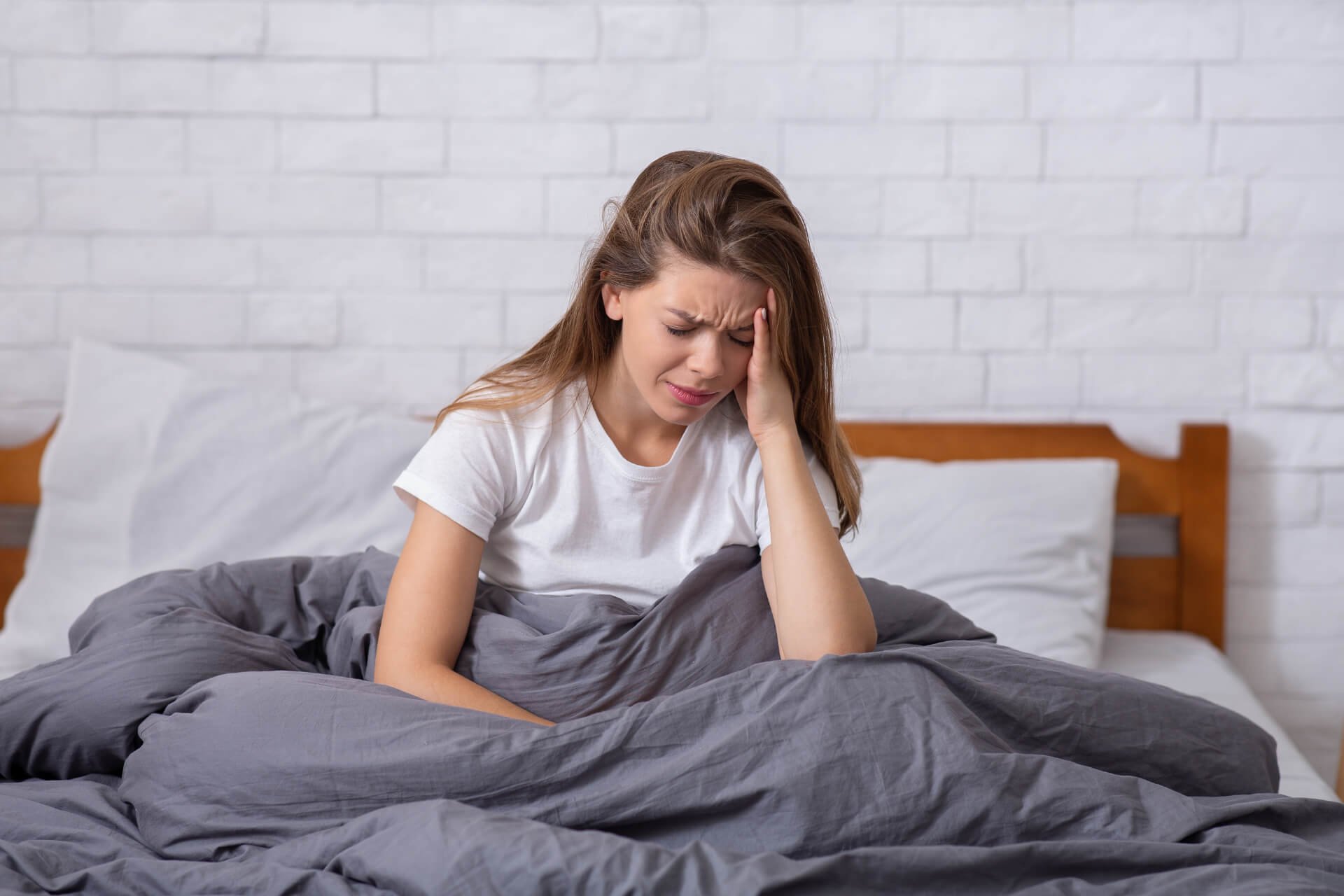
If you're having a hard time settling down at night, waking up with a pounding heart, or can't go back to sleep after being woken up by a baby, toddler, or partner, this video is for you.
If you're not sleeping, waking up exhausted, and reaching for coffee during the day and wine at night to wind down, you might be dealing with insomnia. This can take a toll on your body, and I wanted to share my advice because I've made all the mistakes.
Over the years, I've met with hundreds of you, and the common thread we all share is dissatisfaction with our sleep. The biggest mistake we make is thinking, "It's not that bad." If we don't address our sleep issues, it can lead to anxiety and depression, creating a cycle that's hard to break. If you're struggling with your sleep, I suggest making this the year you address it head-on and commit to healing it. You can heal this.
How long does postpartum insomnia last?
A little backstory: my husband and I opened two businesses and had twins within the same year, which was not a great idea. Baby A would wake me up in the middle of the night, and after settling Baby A, I would be woken up by Baby B. I slept for three hours for about two years. This situation affected my health, relationships, and family, and lasted for over five years!
Treatment for postpartum insomnia
Within The Present Momma, my online course, we dive into the root causes of insomnia and how you can start to heal naturally. Here are some mistakes I made over the years, causing insomnia for over five years.
Here are some mistakes I made that may help you start switching some lifestyle habits and refocus on your health this year:
Drinking Alcohol: Many of us drank before having kids, but after kids, it's much harder for your body to process alcohol, especially when you're getting woken up. Alcohol affects your gut health and disrupts your sleep. It might not show immediate effects, but over time, it can lead to anger and rage due to liver strain. So, support your liver by avoiding alcohol, especially in the postpartum period.
Consuming Caffeine: I used to drink a lot of coffee to cope with exhaustion. However, caffeine perpetuates anxiety, causes heart palpitations, and affects gut health. Instead of depleting your body with caffeine, try nourishing it with stinging nettles, milky oat tops, and adaptogens.
Not Asking for Help: As a strong, independent woman, I found it hard to ask for help. Even if people turn you down, keep asking. Find someone who can help you, even if it's not a relative. Make a list of five people you can ask for help and reach out to them.
Overworking: I kept my Pilates studio open for six years when I should have closed it. My family suffered because I was always thinking about work. If possible, consider changing your work situation to spend more time at home.
Avoiding Therapy: It took my husband's passing for me to realize the importance of therapy. After 2020, many of us have realized its benefits. There are affordable therapy options online now. If you have recurring traumatic thoughts, consider therapy or start by writing about them
Postpartum changes bring up trauma and depletion. Writing can help process these thoughts. You can heal your sleep, wake up refreshed, and be thankful for the opportunity to be a mom. Our children are our teachers, and by healing yourself, you can break cycles of insomnia, anxiety, and depression for future generations.
Conclusion
The postpartum time is a time for healing your body; you need deep, deep nourishment. It starts with your diet, first removing alcohol and caffeine, of course, and eating enough protein to keep your blood sugar stable. Then we need to look towards your supplements, and if you have the MTHFR gene, then let's integrate natural remedies to help calm your body. The major reason we have postpartum insomnia has to do with high histamines and low progesterone, so check out this blog post, after watching the video, to learn how to balance your hormones in the postpartum period.
xo
Tara
Read more