Natural Liver Detox: 9 Ways to Support Your Liver & Estrogen Clearance
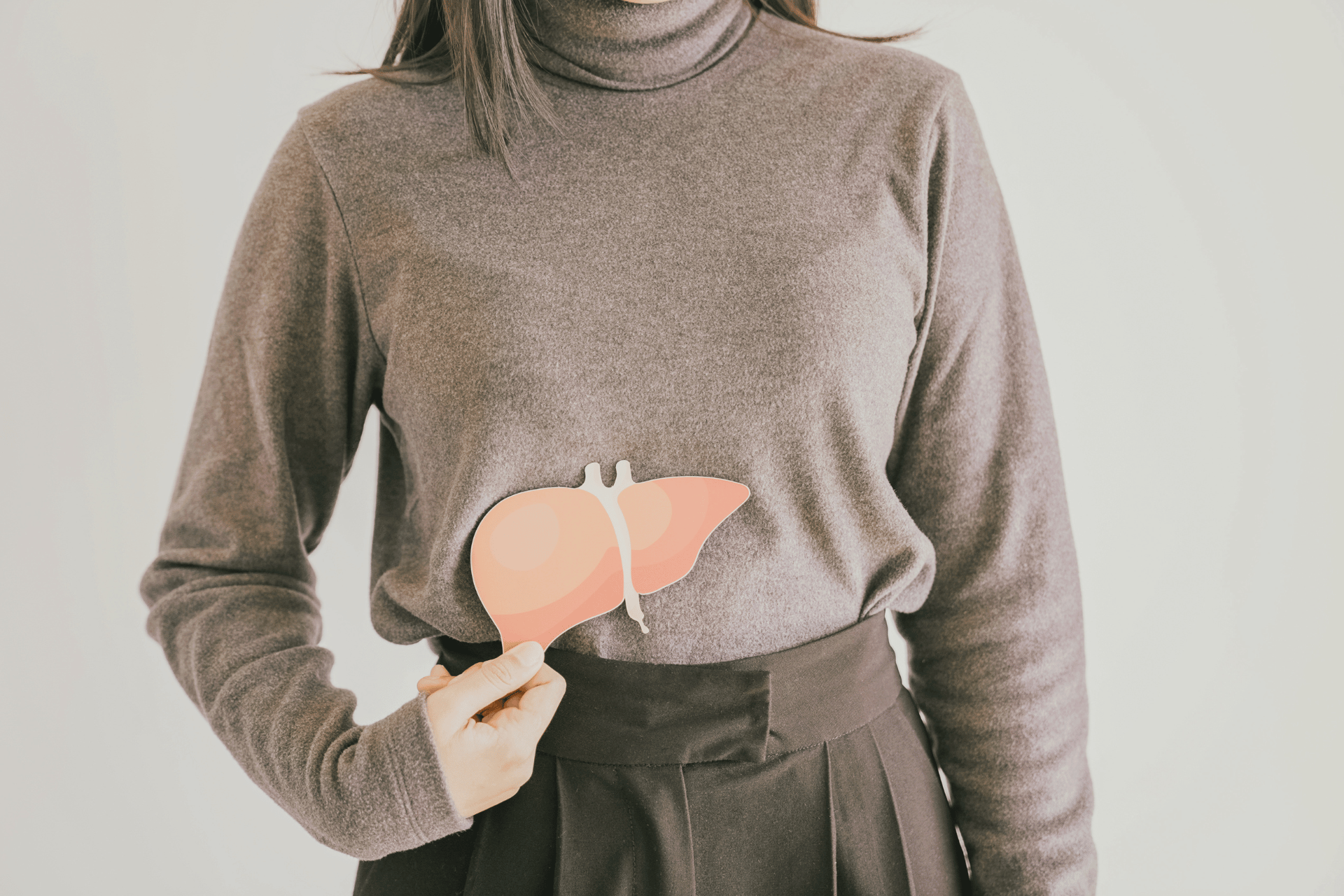
Once upon a time, doctors insisted, “the liver does not need detoxing.”
But today, things have changed.
We’re exposed to more chemicals, viruses, antibiotics, mycotoxins, alcohol, and processed foods than ever before. Between pizza nights, wine at kids’ birthday parties, and everyday stress, your liver is working overtime. Supporting it isn’t just optional—it’s essential.
In fact, liver health is one of the missing links in many healing protocols.
Coming from a family where gallbladder surgeries are almost routine, I’ve learned firsthand the importance of supporting the liver and gallbladder connection. The liver and the common bile duct work together to digest fats, balance hormones, and move toxins out of the body.
So, supporting the liver will reduce constipation and improve gallbladder health.
Signs Your Liver May Need Support
Right-sided back pain
Gallbladder attacks
Waking consistently around 3:00 AM
Constipation or sluggish/slow digestion
Hormonal acne or PMS symptoms
Fatigue and low energy
Rage, Mold Rage, PMDD
Postpartum anxiety, depression, and insomnia
and more!
Liver Detox
The 3 Phases of Liver Detox
Your liver detoxes in three phases. Supporting all three is key to not only liver health, but also your hormone health.
Phase 1: Cytochrome Pathways
Lifestyle Changes:
Limit or eliminate all alcohol
Reduce mold exposure & pesticides {read more about detoxing mold here}
Choose organic foods
Prioritize sleep, exercise, hydration, and sunlight
Nutrients to add:
B vitamins
Vitamin C
Milk Thistle
NAC (Advanced TUDCA)
Oxygen therapy (breathwork, sauna, red light)
Zinc
==See my favorite supplements and receive 15% off HERE
Phase 2: Support Conjugation Pathways
Lifestyle Changes:
Eat cruciferous vegetables: DIM is naturally created when you eat cruciferous vegetables.
Prioritize protein and folate-rich foods {NOT folic acid}
Avoid overusing NSAIDs/antibiotics
Support regular bowel movements a.k.a. poop 2-3x day
Nutrients to add:
Amino acids (taurine, glycine, TUDCA)
Folate, B12, Choline (methylation support)
B vitamins
Magnesium (CT Minerals)
Broccoli sprouts or DIM I3C
Phase 3: Liver Drainage, Bile Flow & Elimination
Lifestyle:
Hydration with electrolytes & trace minerals
Lemon water
Adequate fiber to go poop!
Lymphatic movement & exercise
Supports:
Bile flow (TUDCA, ox bile, digestive bitters)
Sweating (sauna, exercise)
Bowel support (Mg glycinate, Triphala)
Castor oil packs
Coffee enemas
Humic & Fulvic Acid (BC-ATP)
Remember that path is… Bowel > Urine > Sweat—your drainage pathways must stay open, or you will struggle with your health.
Liver Detox Supplements
9 Supplements & Supports for Liver and Estrogen Detox

1. Bitters
Foods like dandelion greens, radicchio, arugula, and endive support digestion and bile flow.
Tip: add lemon and salt to cut bitterness.
(Phase 3 support)
2. DIM (Breastfeeding Safe)
Diindolylmethane helps block excess estrogen and aromatase (the enzyme that converts testosterone to estrogen).
Naturally created when you eat cruciferous vegetables.
(Phase 2 support)
If DIM causes a dip in your moods, stick to I3C or only use DIM on days 6-14 of your cycle.
3. I3C (Breastfeeding Safe)
Indole-3-Carbinol, another compound from cruciferous veggies, supports healthy estrogen metabolism.
(Phase 2 support)
⚠️ Note on DIM + I3C:
If you feel sad or low after taking them, your estrogen may have dropped too much. Pause, add serotonin nutrients, and reintroduce carefully.
4. Milk Thistle (Silybum marianum)
Historically used for: detoxification, hormone balance, liver health [source]
Modern uses: detox, acne, estrogen clearance
Breastfeeding safety: Safe (Class 1A), though monitor blood sugar if diabetic
Dose: 200 mg 3x/day (standardized to 80% silymarin) or tincture 2–3x/day
Pro tip: Use for right upper quadrant pain or constipation.
5. St. John’s Wort (Hypericum perforatum)
Traditionally for: anxiety, nervousness, low energy
Modern use: mild depression, liver support, estrogen clearance
Breastfeeding safety: L2/L3 (generally safe per German Commission E + Dr. Hale)
6. Vitex (Chaste Tree Berry)
Traditional use: Balances hormones, especially luteal phase insufficiency [source]
Dose: 180–200 mg 1–2x/day or 5 mL tincture in the AM before food
Use: balances hormones over 3 months
⚠️ If you have low estrogen and are sensitive, and may feel worse on Vitex alone. If that happens, try a blended formula or skip all together.
7. Castor Oil Packs
Apply to the right abdomen for 20 minutes–overnight, ideally the week before your period; for only 2-3x during the week.
Castor Oil Pack Benefits:
Boosts bile flow
Eases constipation
Enhances detox (especially paired with sauna)
8. TUDCA (Tauroursodeoxycholic Acid)
Water-soluble bile acid that promotes bile flow
Supports all phases of detox, especially Phase 3
Often combined with NAC and melatonin to aid liver + sleep
⚠️ If itching occurs, lower your dose.I like Cellcore. Use code OY64htrL when purchasing from Cellcore
9. Bupleurum
A staple in Chinese medicine formulas like Xiao Yao San (“Free and Easy Wanderer”).
Promotes smooth Qi and blood flow
Modern research supports liver enzymes, lipids, and immunity
Widely used in Chinese & Japanese Kampo medicine for liver detoxification
Helps with RAGE and postpartum anger
Final Thoughts: Gentle Daily Liver Support
Use castor oil packs regularly
Reduce alcohol, caffeine, and cold/raw foods
Try coffee or chamomile enemas if constipated
Sip stinging nettle or dandelion tea for bloating
Add root vegetables the week before your period
Increase B6 + magnesium for cramps and constipation
Consider milk thistle, Vitex, or St. John’s Wort for ongoing liver-hormone balance
Your liver is your body’s main filter. By supporting it daily—gently—you’ll notice better energy, clearer skin, balanced hormones, and more resilience overall.
xo
Tara
References
Mycotoxins and our health: https://pmc.ncbi.nlm.nih.gov/articles/PMC164220/
Milk Thistle and Liver Disease: https://pubmed.ncbi.nlm.nih.gov/20564545/
Exploring the impacts of DIM:https://pubmed.ncbi.nlm.nih.gov/39578798/
Vitex Chaste Berry: https://pubmed.ncbi.nlm.nih.gov/11159568/