Postpartum Depression: How Ashwagandha Helped Me Overcome PPD
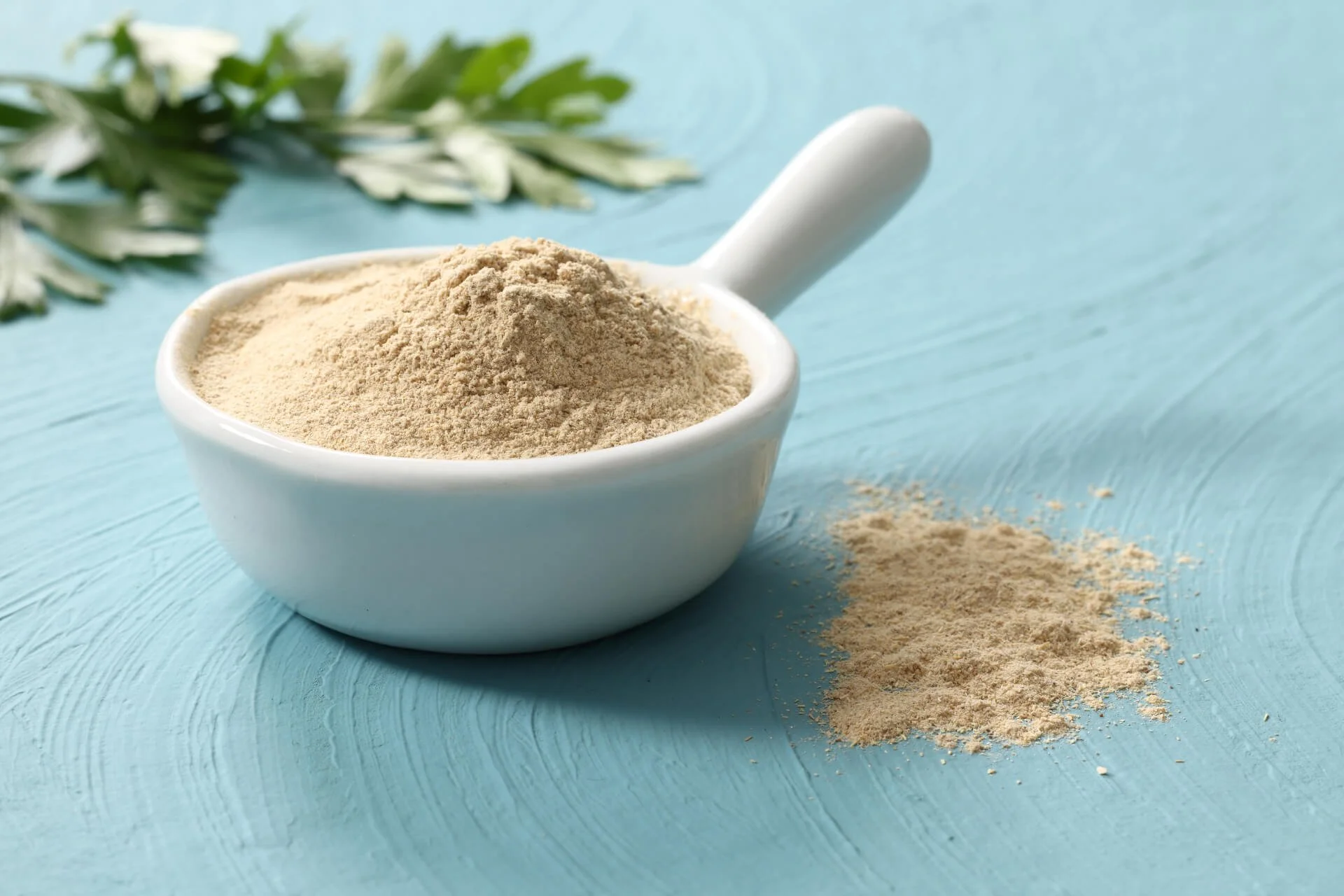
What is Ashwagandha?
Ashwagandha, known to give us the strength of stallions, is a mild sedative that enhances sleep, allowing us to wake up refreshed. If you're struggling with postpartum depression, you may realize that insomnia, anxiety, and depression go hand-in-hand. The first step is to restore your sleep, and ashwagandha is a safe herbal remedy to help you do that.
The German Commission E rates it as a level one, meaning it's safe to take while breastfeeding. Ashwagandha helps with acute pain, anxiety, depression, fatigue, hypothyroidism, PMS, and postpartum depression. You can take it as a supplement, powder, or tincture.
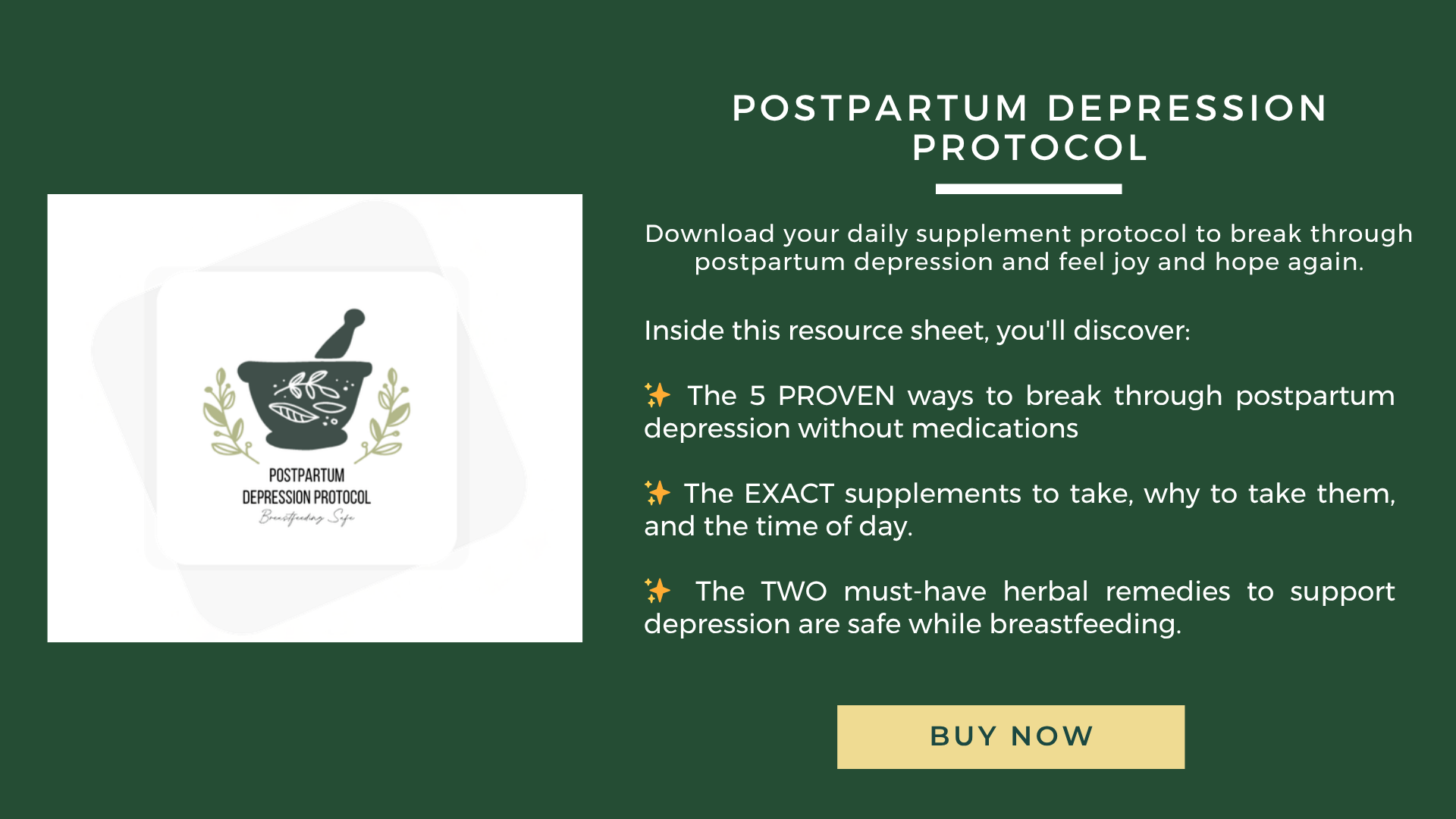
Ashwagandha Root vs Extract
UPDATE:
Over the years, we’ve noticed that the Ashwagandha root found in supplements is better at supporting sleep and anxiety. KSM-66® is the best brand to support insomnia, and Seeking Health sells it. BUY IT HERE
Ashwagandha while breastfeeding
Read this post to learn more: https://www.taragregorio.com/blog/ashwagandha-while-breastfeeding
My Journey and Mistakes
During my struggle with postpartum depression, I made mistakes that you might be making too. I searched for herbs to help me sleep, like valerian, California poppy, and lemon balm, but they didn't touch my postpartum depression. When I integrated an adaptogen, ashwagandha, I had a breakthrough.
Before Ashwagandha, I was experiencing severe symptoms, including suicidal thoughts. After starting ashwagandha, I still struggled, but knew I would be okay. The benefit of taking an adaptogen like ashwagandha is its ability to enhance resilience and aid in overcoming depression.
Mistake #1: I only took nerve-calming herbs and not an adaptogen. In my postpartum depression course, I emphasize that 50% of your herbal intake should be an adaptogen to build resilience.
Mistake #2: I didn't ask for help. I reached out to an herbalist who was too expensive and a yoga instructor who suggested a longer savasana. I was afraid to go to my doctor or see a psychiatrist due to fears of medication. These fears held back my healing process.
Conclusion
If you’re struggling with postpartum depression, I highly suggest reaching out to a therapist and asking about EMDR. Adding supplements and ensuring deep nourishment after pregnancy is crucial. Don't resist taking supplements; they help nourish your body correctly.
If you have any questions, please leave them in the comment area. I hope this has served you and that you reach out for help, whether with me or someone else, to get the breakthrough you need for postpartum depression. Thank you.
xo
Tara
Resources
The must-have postpartum supplements: https://youtu.be/LomAczf_Vl4?si=PEPSrEPy7w-iXxi4 ↩
Suicide Prevention Hotline at 1-800-273-8255 or www.suicidepreventionlifeline.org ↩