PMS Meaning, Symptoms & Treatment

9.3.25
Most of us know the meaning of PMS, but did you know there are four types to consider when treating naturally?
In this post, I'll explain the four types of PMS and why these symptoms may occur. Then, we'll discuss some herbal remedies for you to begin healing naturally.
Keep in mind...
“It’s common to have PMS, but not necessary. ”
Understanding PMS: The Four Types and Herbal Remedies
So, what does PMS mean?
PMS, or Premenstrual Syndrome, refers to the symptoms we typically experience between days 14 and 28 of our cycle.
These symptoms can become more intense depending on how your body metabolizes hormones and whether there are underlying gut health imbalances.
How to Track Your Cycle
Day one of your cycle is the first day you begin bleeding. Count forward until day 14 — this is typically around the time you ovulate. Right after ovulation, you may begin to notice PMS symptoms.
I recommend charting these symptoms on a paper calendar. This helps you clearly see when they occur and allows you to use herbal medicine more effectively throughout the month.
What Are the Four Types of PMS?
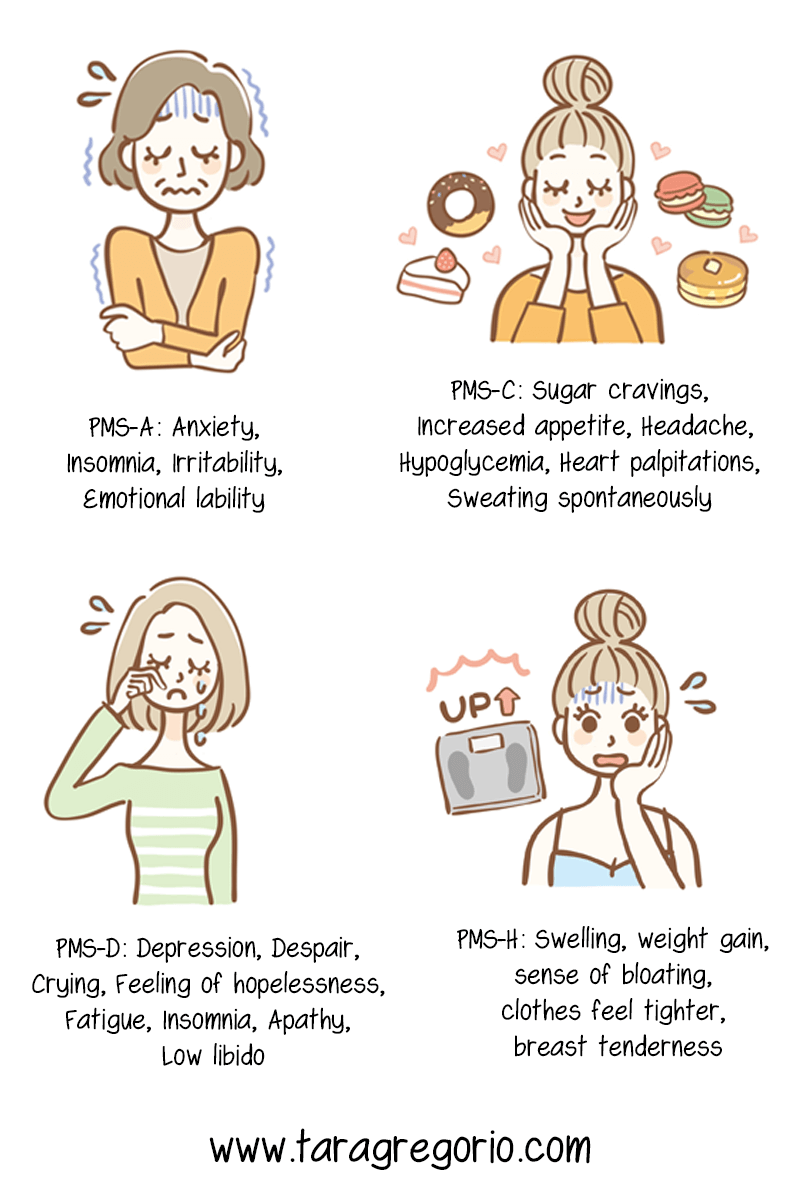
PMS-A: The Anxiety Pattern
Symptoms:
Increased heart rate
Feeling overwhelmed
Emotional sensitivity
Insomnia
Possible reasons for PMS-A:
Estrogen excess and low progesterone
HPA (hypothalamic-pituitary-adrenal) axis imbalance and diminished stress response
Herbal Remedies for PMS-A:
Ashwagandha
Blue Vervain
Passionflower
Valerian
Lavender
Lemon Balm
These calming, nervine herbs help support the nervous system and reduce anxiety.
PMS-C: The Carbohydrate Cravings Pattern
Symptoms:
Intense sugar cravings
Increased appetite
Headaches
Hypoglycemia
Heart palpitations after eating without protein or healthy fat
Spontaneous sweating
Possible reasons for PMS-C:
Enhanced insulin binding effects, which inhibit glucose release and production from cells, disrupt blood sugar balance.
Herbal Remedies for PMS-C:
Gymnema sylvestre
Stinging nettle
Tip: Try the ONE Daily Tea Blend to help reduce sugar cravings.
PMS-D: The Depression Pattern
Symptoms:
Depression
Crying or feelings of despair
Hopelessness
Fatigue
Insomnia
Apathy
Low libido
Possible reasons for PMS-D:
Estrogen excess and difficulty clearing estrogen from the body.
Learn more about estrogen excess here: Estrogen Dominance Explained.
Herbal Remedies for PMS-D:
St. John’s Wort
Albizzia
See additional options in this article: 5 Herbal Remedies for Postpartum Depression.#4 PMS - H {Hyper-hydration pattern}
PMS-H: The Hyper-Hydration Pattern
Symptoms:
Swelling in the hands and feet
Weight gain
Bloating
Tightness in clothing
Breast tenderness
Herbal Remedies for PMS-H:
Dandelion leaf
Peppermint
Chamomile
Fresh ginger root tea
These herbs help reduce water retention, ease bloating, and soothe digestion.
And, of course, you can have more than one! Watch this video above to hear the four types of PMS.
Do you have PMDD?
Severe PMS could be something called PMDD. Read this post to learn about PMDD: https://www.taragregorio.com/blog/pms-or-pmdd
Conclusion
PMS is common but not necessary. By addressing your diet, the right supplements, hormones, and gut health, you can change these symptoms. The first step I would take is to remove dairy if you’re experiencing constipation and breast pain each month.
Moving your bowels is important to eliminate excessive estrogens in your body. Additionally, if you have the MTHFR gene, you may lean toward excessive estrogen.
xo
Tara
P.S. What type of PMS do you have? Let me know in the comment area below.
References: